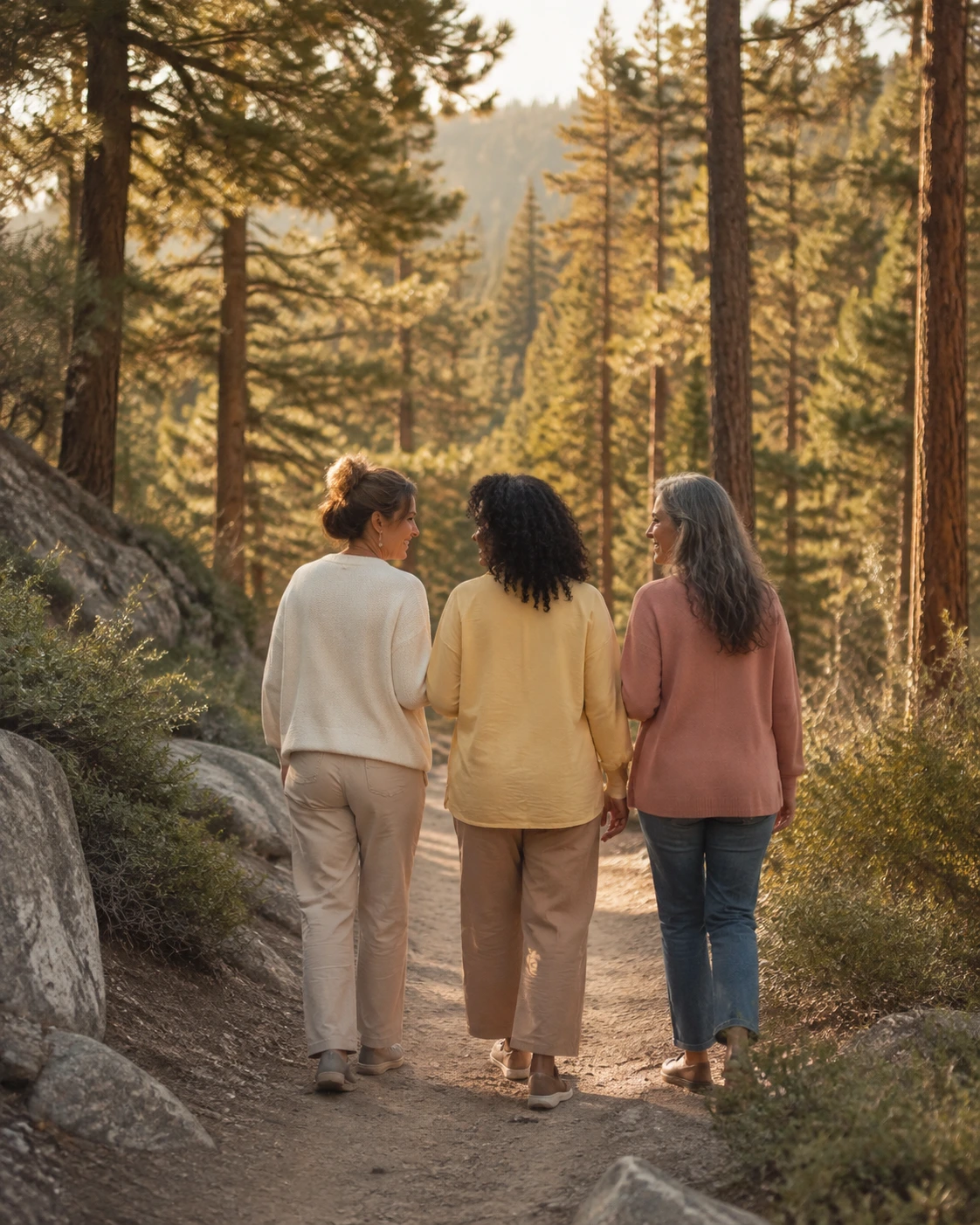
Holistic Treatments
Alternative & Holistic Mental Health Treatment Modalities
Holistic Mental Health Treatment Center
Located in the serene San Jacinto Mountains of Idyllwild, California, Mental Health Residential is a premier mental health residential treatment center offering a unique blend of holistic treatments designed to heal the mind, body, and spirit. Our treatment facility stands out among holistic residential mental health centers for its commitment to providing personalized care through various alternative therapies. We believe in treating the whole person, not just the symptoms, and our dedicated team of experienced professionals is here to support you on your journey to wellness.
What is Holistic Mental Health Treatment?
Holistic or alternative mental health treatment is a broad term encompassing a variety of modalities often not taught in Western medical settings. This approach to mental health treatment may include anything from Tai Chi and acupuncture to reiki and notably considers the whole person—mind, body, and spirit. Holistic healing methods often focus on the interconnectedness of these aspects and aim to restore overall balance and promote long-term well-being. Unlike traditional allopathic medicine and therapies that usually concentrate solely on alleviating symptoms, holistic treatment delves into the root causes of mental health issues, providing a more comprehensive path to healing.
Holistic treatments are best used alongside evidence-based modalities and typically encourage lifestyle changes and self-care practices that contribute to overall health and wellness. These involve regular physical activity, healthy eating, stress management techniques, and fostering positive relationships. Through this integrative approach, holistic mental health treatment aims to treat existing conditions and prevent future issues by promoting a balanced and healthy lifestyle.
Types of Holistic Mental Health Treatments
As mentioned, holistic and alternative therapies encompass various treatments and practices designed to address each individual’s physical, emotional, and spiritual aspects. Many different types of treatments fit into this category, but alternative therapy can be broadly categorized into five major domains:
Five Domains of Alternative Medicine
- Alternative medical systems: These are complete systems of theory and practice that have evolved independently of, and often before, the conventional medical approach used in the West. Some examples include traditional Chinese medicine (TCM), Ayurveda, and homeopathy.
- Mind-body interventions: These techniques enhance the mind's ability to affect bodily functions and symptoms. Mind-body interventions include practices such as meditation, yoga, and biofeedback.
- Biologically-based treatments:These therapies use natural substances, such as herbs, foods, and vitamins. Some examples of biologically based treatment methods may include dietetics, dietary supplements, and herbal medicine.
- Energy therapies: These unique and alternative therapies involve the use of energy fields. Some energy therapies, like Qi Gong and Reiki, manipulate biofields that are believed to surround and penetrate the human body.
Types of Traditional Holistic Healing Systems
According to the World Health Organization, approximately 70-80% of the global population depends on nonconventional medicines, primarily derived from herbal sources, for their healthcare needs. These holistic treatment methodologies often integrate various traditional healing systems that have been practiced for centuries. Some of the most common and noteworthy examples include:
Traditional Chinese Medicine (TCM)
Traditional Chinese medicine is a system of healing that dates back thousands of years, with legends alluding to its origins as far back as 5000 BCE. This ancient system of medicine includes practices such as acupuncture, herbal medicine, and Qi Gong. TCM focuses on balancing the body’s energy, or “Qi,” also translated as “Chi,” to promote health and well-being. It is based on the principles of yin and yang and the five elements (wood, fire, earth, metal, and water), aiming to restore harmony within the body. The holistic approach of TCM considers the interconnection between physical, emotional, and spiritual health, using diagnostic techniques like pulse and tongue examination to tailor treatments to individual needs.
2. Ayurveda
Ayurveda is one of the oldest medical systems, with its origins in India believed to date back more than 3,000 years in the 2nd century BC. It emphasizes a personalized health approach that considers individual physical and mental constitutions. Ayurvedic treatments may include diet, herbal remedies, exercise, meditation, and massage. Ayurveda balances the three doshas (vata, pitta, and kapha) to achieve optimal health. Each person has a unique combination of these doshas, and imbalances can lead to illness. Ayurveda focuses on prevention and wellness by promoting a balanced lifestyle and holistic health practices, aiming to achieve optimal health and harmony.
Homeopathy
Developed in Germany by Samuel Hahnemann in the late 18th century, homeopathy is based on the principle of “like cures like,” which means that substances causing symptoms in a healthy person can be used in diluted forms to treat similar symptoms in a sick person. These highly diluted substances, often prepared through serial dilution and succussion (vigorous shaking), stimulate the body’s self-healing response. Homeopathy emphasizes individualized treatment, considering the patient’s overall physical and emotional state rather than targeting specific symptoms alone.
If you or a loved one are experiencing mental health difficulties, contact Mental Health Residential at Mental Health Residential. We are thrilled to offer a unique and holistic path to mental wellness in the Inland Empire.
Traditional Therapy vs. Holistic Therapy
Traditional therapy has long been a primary method for addressing mental health concerns, focusing primarily on the psychological aspects of an individual’s well-being. This typically involves one-on-one sessions with a therapist, where individuals explore their thoughts, feelings, and experiences. Traditional therapy methods, such as cognitive-behavioral therapy (CBT), psychodynamic therapy, and interpersonal therapy (IPT), have been widely researched and are proven effective for many mental health conditions. These therapies often emphasize the importance of dialogue and insight in overcoming mental health issues.
Yet traditional therapy and mental health treatments do not always address the interconnectedness of the mind, body, and spirit. These scientific or clinically based approaches are extremely valuable but often focus on symptom relief and the psychological aspects of health without considering the broader influences on a person’s well-being, such as physical health, nutrition, and lifestyle choices.
Combining traditional therapy with alternative healing methodologies, on the other hand, adopts a more integrative and comprehensive approach. It acknowledges that many factors, including physical health, emotional balance, and spiritual fulfillment, can influence mental health. Holistic mental health treatment addresses these diverse aspects by incorporating various therapeutic practices and lifestyle modifications.
Benefits of Holistic Mental Health Treatment
Choosing a mental health treatment center that offers holistic and alternative healing modalities, like Mental Health Residential, provides several advantages:
- Personalized care:Programs are tailored to each individual's needs, considering physical, emotional, and spiritual aspects, resulting in more effective and customized recovery plans.
- Integrative and evidence-based approaches: Combining traditional healing practices and treatment systems with evidence-based therapies like CBT and mindfulness enhances mental health outcomes and overall healing.
- Focus on prevention and long-term well-being: Equipping individuals with tools and skills for long-term mental health maintenance, addressing underlying causes, and providing coping mechanisms empowers them beyond the treatment period.
- Enhanced quality of life: Promotes balance, joy, and a sense of purpose, leading to a more fulfilling life.
- Variety of therapies: Access to a wide range of therapies, including herbal medicine and energy healing, ensures that individuals find the most effective treatments for their specific needs, making the healing process more inclusive and adaptable.
Ready to begin your journey to holistic healing? Contact Mental Health Residential at Mental Health Residential today.
Holistic Mental Health Treatment at Mental Health Residential
At Mental Health Residential at Mental Health Residential, we understand that each individual’s journey to recovery is unique. Our holistic treatment plans are tailored to meet client’s needs in a personalized way, ensuring you receive the most effective and personalized care possible. Our team of experienced professionals includes expert professionals from licensed therapists and medical practitioners to holistic health experts who work together to provide comprehensive support.
Alternative Therapies at Mental Health Residential
- Qi Gong modalities:Qi Gong combines physical movement, meditation, and controlled breathing to enhance energy flow (Qi) within the body. This ancient practice helps reduce stress, improve mental clarity, and promote physical health, making it a powerful tool in the recovery process.
- Acupuncture: This traditional Chinese medicine technique involves inserting thin needles into specific points on the body to stimulate healing and relieve pain. Acupuncture can help manage symptoms of anxiety, depression, and trauma by balancing the body’s energy and improving overall well-being.
- Herbology and dietetics:Our herbal treatments use natural plant-based remedies to address various health issues, enhance immune function, and promote mental well-being. Combined with personalized dietary plans, our approach supports the body's natural healing processes and helps maintain a balanced and healthy lifestyle.
Somatic Experiencing: Healing Trauma from Within
Somatic Experiencing (SE) is a powerful therapeutic approach developed by Dr. Peter Levine, designed to heal trauma by addressing the body’s innate ability to self-regulate and restore balance. Dr. Levine, a pioneering psychologist, observed how animals in the wild recover naturally from traumatic experiences by discharging pent-up energy through shaking and trembling. Translating this insight into human psychology, Levine developed Somatic Experiencing to help individuals release traumatic stress stored in the body.
Cindy Brooks, a dedicated student and practitioner trained directly under Peter Levine, expertly integrates Somatic Experiencing into comprehensive mental health treatments. Cindy emphasizes compassionate awareness of bodily sensations, guiding clients to safely process and release trauma stored within their nervous systems. Her empathetic style creates a safe environment, helping clients restore their sense of safety, balance, and emotional resilience.
At Mental Health Residential, Somatic Experiencing forms a cornerstone of our integrative approach, supporting clients in reconnecting deeply with their bodies and achieving lasting emotional healing.
Cindy Brooks
LMFT, SEP, CATC, IV
Traditional Chinese Medicine: Restoring Mental Harmony through Ancient Wisdom
Traditional Chinese Medicine (TCM) offers profound techniques that have supported mental and emotional well-being for thousands of years. One of the most intriguing methods in TCM is the use of “Ghost Points,” specific acupuncture points that target emotional disturbances and mental illnesses such as anxiety, depression, and trauma.
Dr. Miles Thomas, an accomplished acupuncturist and musician, integrates these ancient techniques seamlessly into modern mental health practices. Dr. Thomas highlights the power of Ghost Points in releasing deeply held emotional tension, restoring energetic balance, and harmonizing the spirit (Shen). His multifaceted approach, blending artistic creativity with acupuncture and herbal medicine, supports profound transformations in mental and emotional health.
Mental Health Residential proudly integrates Dr. Thomas’s pioneering work, offering clients personalized treatments that harmonize mind, body, and spirit, creating a holistic path toward recovery.
Dr. Miles Thomas
DACM, L.Ac.
Hugging Trees: Ancient Taoist Wisdom for Modern Nervous Systems
Ancient Taoists understood that nature provides powerful healing energies essential to mental health. One fascinating Taoist practice involves literally hugging and circling trees. Far from just an ancient quirk, tree-hugging is a scientifically supported method to regulate the human nervous system. Trees release phytoncides, aromatic compounds that have been shown to lower stress hormones, decrease anxiety, and improve mood.
The Taoists knew intuitively what modern science now confirms: connecting physically with trees calms the mind, reduces stress, and enhances emotional stability. While some might dismiss it as just another quirky pastime for “tree huggers,” the science behind this practice is undeniably compelling.
At Mental Health Residential, nestled in beautiful Idyllwild with its lush forests and vibrant trees, clients have the unique opportunity to embrace this ancient wisdom directly. Our serene natural setting provides the perfect backdrop for reconnecting with nature, grounding the nervous system, and fostering profound emotional healing. After all, perhaps those “tree huggers” were onto something all along!
Why Choose Mental Health Residential for an Alternative Approach to Mental Health Treatment?
Holistic residential mental health treatment facilities like Mental Health Residential at Mental Health Residential offer a comprehensive approach to treatment by addressing each individual’s physical, emotional, and spiritual wellness. Unlike traditional methods focusing solely on symptoms, our holistic therapies integrate ancient practices and techniques to create personalized and effective care plans. This integrative and unique approach to inpatient mental health treatment ensures that underlying issues are treated, promoting long-term recovery and overall well-being.
Nestled in Idyllwild, California’s serene and picturesque surroundings, Mental Health Residential’s facility offers a peaceful backdrop conducive to recovery. The natural beauty and tranquility of nature in the San Jacinto mountains can help reduce stress, promote mindfulness, and foster a deep sense of connection, all essential for effective healing.
Begin Your Journey to Wellness
Struggling with mental health issues or trauma? Mental Health Residential offers a safe, supportive environment for your recovery.
Contact us today to learn more about our personalized programs. Achieve balance, peace, and well-being with our holistic treatments. Start your journey towards a healthier, happier life now.
References
- Kisling LA, Stiegmann RA. Alternative Medicine. [Updated 2024 Feb 26]. In: StatPearls [Internet]. Treasure Island (FL): StatPearls Publishing; 2024 Jan-. Available from: https://www.ncbi.nlm.nih.gov/books/NBK538520/
- Tabish S. A. (2008). Complementary and Alternative Healthcare: Is it Evidence-based?. International journal of health sciences, 2(1), V–IX. https://www.ncbi.nlm.nih.gov/pmc/articles/PMC3068720/
- Chauhan, A., Semwal, D. K., Mishra, S. P., & Semwal, R. B. (2015). Ayurvedic research and methodology: Present status and future strategies. Ayu, 36(4), 364–369. https://doi.org/10.4103/0974-8520.190699
- Jaiswal, Y. S., & Williams, L. L. (2016). A glimpse of Ayurveda – The forgotten history and principles of Indian traditional medicine. Journal of traditional and complementary medicine, 7(1), 50–53. https://doi.org/10.1016/j.jtcme.2016.02.002
- Cukaci, C., Freissmuth, M., Mann, C., Marti, J., & Sperl, V. (2020). Against all odds-the persistent popularity of homeopathy. Wiener klinische Wochenschrift, 132(9-10), 232–242. https://doi.org/10.1007/s00508-020-01624-x